



Throughout human history, myths have served as profound narratives explaining the mysteries of luck, power, and divine intervention. These stories, originating from ancient civilizations, continue to influence contemporary perceptions of fortune and destiny. Today’s chance-based entertainment, especially in the form of slot games, often draws upon these mythological symbols and themes to evoke a sense of wonder, luck, and divine favor.
This article explores the deep-rooted connections between mythological symbolism and modern gaming, illustrating how ancient beliefs shape today’s perceptions of luck and success. By examining historical symbols, their cultural significance, and modern representations—such as the popular slot game free spins retrigger—we uncover the enduring influence of mythology on entertainment and player engagement.
Table of Contents
- The Role of Myths in Shaping Concepts of Fortune and Power
- Ancient Symbols of Fortune and Their Cultural Significance
- Transition from Mythology to Modern Chance Games
- Modern Representations of Fortune: Examples and Analysis
- Deepening the Understanding: Mythology’s Psychological and Cultural Impact on Gaming
- Non-Obvious Connections: Myth, Material Culture, and Player Engagement
- Conclusion: Bridging Ancient Myths and Modern Chances for a Richer Gaming Experience
The Role of Myths in Shaping Concepts of Fortune and Power
Ancient Greek beliefs exemplify how myths served as frameworks for understanding luck, divine favor, and authority. Oracles, such as the famous Oracle of Delphi, were considered direct channels to divine knowledge, guiding individuals and city-states in decisions related to fate and prosperity. These oracles reinforced the idea that luck was intertwined with divine will, shaping societal notions of power as bestowed by gods.
Symbols of authority, like the crown, have mythological origins rooted in divine right. In Greek mythology, kingship was often associated with the favor of gods like Zeus, who granted sovereignty as a divine gift. This mythological underpinning persists in modern symbolism—crowns and scepters continue to signify legitimacy and divine approval, connecting contemporary leadership to ancient notions of divine favor.
Myths historically reinforced the belief that luck and success were granted by divine sources, creating a cultural narrative that luck was an extension of divine benevolence. This perception persists today, influencing how players interpret symbols of chance and fortune in gaming environments.
Ancient Symbols of Fortune and Their Cultural Significance
| Symbol | Cultural Significance |
|---|---|
| Crown | Represents divine authority and sovereignty, originating from mythological tales of gods granting kingship. |
| Laurel Wreath | Symbol of victory and divine blessing, associated with Apollo and Greek athletic triumphs. |
| Marble and Limestone | Materials used in temples symbolized stability, purity, and divine favor, linking physical structures to mythological symbolism. |
These symbols, derived from mythological stories, transferred into societal and political contexts, shaping perceptions of divine approval and success that resonate even in modern gaming themes.
Transition from Mythology to Modern Chance Games
Over centuries, the concept of luck evolved from divine intervention to randomness, especially with the advent of formalized gambling and gaming. The ancient symbols and stories laid a foundation for modern game design, where themes of gods, fate, and divine favor are often employed to create immersive experiences.
For example, the imagery of gods and divine symbols in slot games communicates a sense of destiny and luck, making players feel as if they are tapping into divine power. This symbolic language helps players connect with the game mechanics on a subconscious level, enhancing engagement and the thrill of chance.
Such symbolism is not merely aesthetic; it functions as a storytelling device that aligns player perceptions of luck with age-old narratives of divine intervention. This connection fosters a sense of familiarity and trust in the game’s randomness, paralleling ancient beliefs.
Modern Representations of Fortune: Examples and Analysis
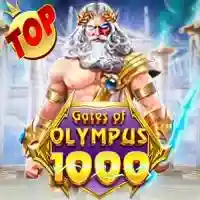
A contemporary example illustrating these principles is the Gates of Olympus 1000 slot game. It draws heavily on mythological themes, featuring gods such as Zeus, divine symbols like lightning bolts, and motifs that evoke divine power and fortune.
In this game, symbolic elements like gods and divine artifacts serve to evoke a sense of fate and divine blessing. The game’s mechanics, including features such as free spins retrigger, mirror ancient storytelling—where divine favor can turn luck in favor of the player, reminiscent of mythological narratives of gods intervening in mortal affairs.
Modern slots often incorporate mythological themes to deepen player immersion, making the experience not only about chance but also about connecting with timeless stories of divine power and luck. Such design choices tap into cultural archetypes that have persisted across millennia.
Deepening the Understanding: Mythology’s Psychological and Cultural Impact on Gaming
Humans possess an innate desire to seek guidance from higher powers, especially when facing uncertainty. This psychological tendency translates into gaming experiences where symbols of divine influence—gods, sacred relics, or divine favor—provide reassurance and heighten excitement.
For instance, the visual and thematic elements in myth-inspired games evoke feelings of awe and trust. The presence of divine symbols can subconsciously influence players’ perceptions of their chances, making the game feel more meaningful and connected to a larger cosmic order.
Culturally, myths continue to resonate because they offer archetypes and narratives that are universally understood. By integrating these elements, game developers create experiences that are emotionally compelling and culturally rich.
Non-Obvious Connections: Myth, Material Culture, and Player Engagement
The materials used in ancient temples—primarily marble and limestone—serve as metaphors for durability and trust. In modern games, similar metaphors appear through the use of high-quality graphics and durable themes, reinforcing the idea of stability and divine trustworthiness.
Mythological narratives also provide storytelling frameworks that structure game mechanics, turning abstract concepts of luck and divine intervention into engaging narratives. For example, the journey of a hero seeking favor from gods can mirror the player’s quest for fortune, making gameplay more meaningful.
Furthermore, the subconscious influence of these ancient symbols subtly guides player perceptions. Recognizing the archetypes—gods, relics, crowns—helps explain why certain themes are universally appealing and why they continue to influence player behaviors today.
Conclusion: Bridging Ancient Myths and Modern Chances for a Richer Gaming Experience
In summary, the symbols and stories originating from ancient myths underpin much of modern chance gaming. Whether it’s the divine power of gods, the symbolism of crowns and laurels, or the mythological narratives woven into game mechanics, these elements evoke a sense of destiny and divine favor that resonates across ages.
“Ancient myths are not just stories of the past; they are living symbols that continue to shape our perceptions of luck, power, and divine intervention in modern entertainment.”
Understanding these connections enhances game design and marketing, fostering deeper engagement and cultural appreciation. As players seek fortune, they often tap into stories and symbols that have defined human understanding of luck for millennia. The enduring fascination with divine guidance and mythological storytelling suggests that, whether in ancient temples or modern slot machines, the human quest for luck remains fundamentally unchanged.